

Brazil introduces policy on critical and strategic minerals
The policy aims to move Brazil beyond its historical role as an exporter to developing a domestic critical mineral supply chain.
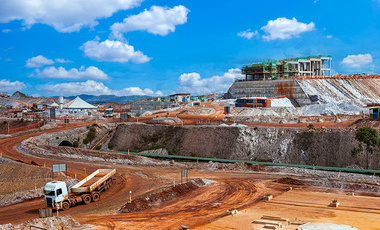
The policy aims to move Brazil beyond its historical role as an exporter to developing a domestic critical mineral supply chain.
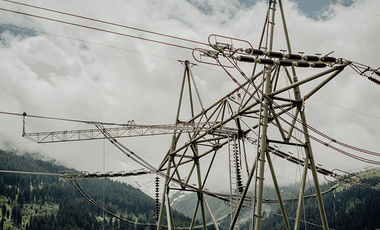
3D scanning, computer simulations and artificial intelligence (AI) could improve the reliability and safety of inspections.

Championing volunteers and collaboration across the Institute's local community.
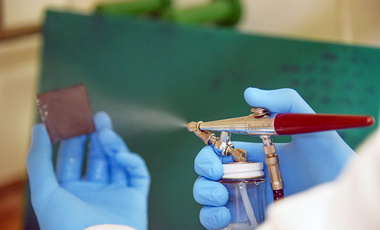
An antimicrobial coating made from agricultural waste is being tested in Brisbane, Australia.

Responding to Alan Milburn's 'NEETS report', IOM3 has emphasised the need to connect skills provision, workforce planning and industrial strategy to support young people into rewarding careers.

The Turing AI Fellowships will support projects covering clean energy, nuclear safety, infrastructure and biomedical research.
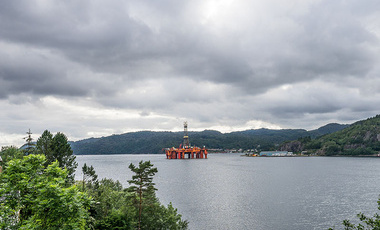
The court has ruled that the government failed to assess the impact of Scope 3 emissions.

A patent for a flexible armour system that combines ceramics and aramid fibres.

Learning lessons from Ukraine.

Early-career professionals in the defence sector share their industry journeys.
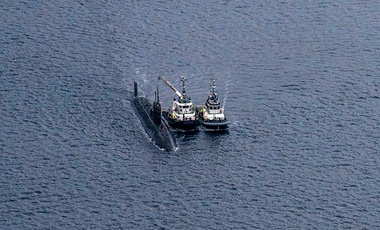
Reflecting on 25 years of defence technology development.
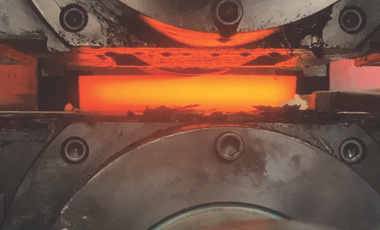
FAST-forge as an emerging solid-state metal processing technology.

Leveraging national capability in defence materials.
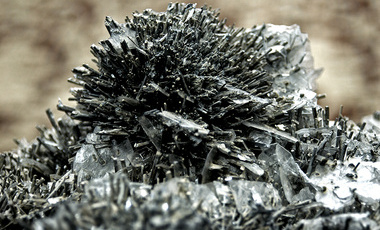
Why antimony is so vital to the world’s economy.
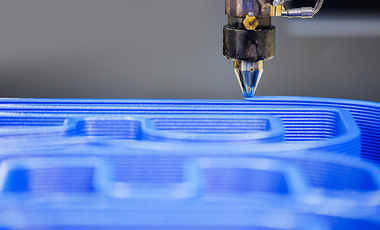
3D printing leaves its fingerprints on security and forensic science.

A multiscale digital model offers new insights for tantalum coating deposition.

Outputs from the IOM3 Defence Materials 2050 workshops.
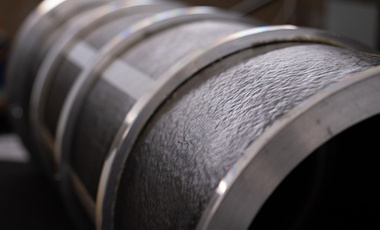
A new fibre-reinforced composite structure could help prevent the impact of satellite launch vibrations on sensitive equipment, without adding significant weight.
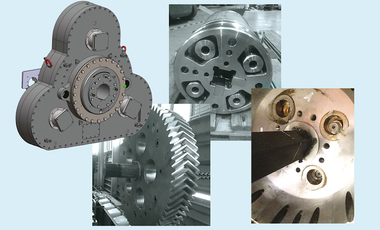
Orbital friction welding achieves full-contact joints.

Why materials science is one of the foundations for national security.